
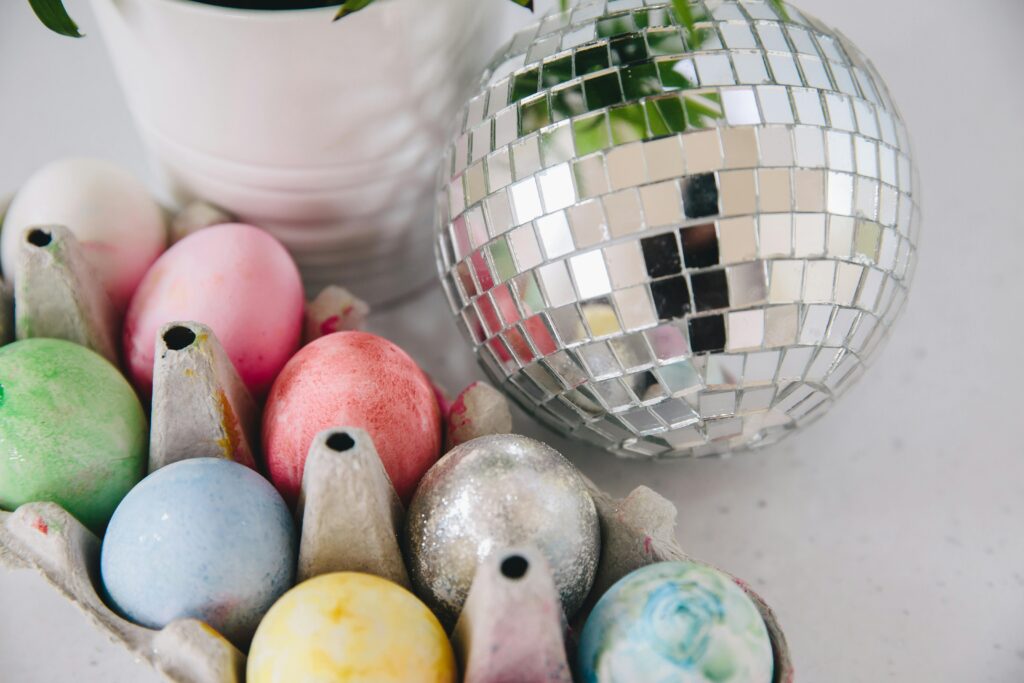
The Hidden History Behind Eggs, Bunnies, and Spring Traditions
Every spring, we celebrate Easter.
Egg hunts. Chocolate bunnies. Pastel everything. Maybe brunch. Maybe church.
It’s one of those holidays that feels so normal, we don’t really question it.
But if you stop for a second and think about it…
What do eggs and bunnies actually have to do with Easter?
Because they don’t exactly scream “resurrection.”
That’s where things start to get interesting.
Because Easter, as we know it today, wasn’t created from scratch.
It was built—layer by layer—on top of traditions that were already here.
Most of those traditions?
They came from something we now call “pagan.”
Once you look into the pagan origins of Easter, things start to make a lot more sense.
So… What Does “Pagan” Even Mean?
Before we go any further, let’s clear this up—because this is where a lot of people get lost.
The word pagan wasn’t originally an insult or anything dark or scary.
It simply referred to people who followed nature-based traditions before Christianity spread across Europe.
Think:
- celebrating the changing seasons
- honoring the sun, the earth, and the harvest
- marking important moments like solstices and equinoxes
In other words— pagan traditions were how people made sense of the world before organized Christianity became dominant
Understanding the pagan origins of Easter helps explain why these symbols still exist today.
Before Easter: Spring Was Everything
Now imagine living 2,000 years ago.
No grocery stores. No electricity. And no guarantees.
Winter wasn’t just cold—it was dangerous.
So when spring finally arrived?
It wasn’t just nice weather.
It was survival.
Spring meant:
- food was growing again
- animals were reproducing
- the days were getting longer
So people celebrated it.
Across Europe, different cultures held festivals centered around:
🌸 fertility
🌞 light returning
🌱 new life
And this wasn’t random—it was deeply tied to how people lived.
🥚🐇 Eggs and Bunnies Actually Make Sense
Now let’s go back to the question:
What do eggs and bunnies have to do with Easter?
Short answer:
Originally… nothing. But in the context of spring?
Well, they make perfect sense.
- Eggs = new life literally emerging
- Rabbits = one of the most fertile animals (they reproduce a lot)
These were natural symbols of:
✨ life continuing
✨ growth
✨ abundance
So people used them in their spring celebrations long before Easter existed.
The Name “Easter” Has Older Roots Too
Here’s where it gets even more layered.
The word Easter is often linked to a figure called Eostre, who was connected with spring, fertility, and renewal.
Now—to be real—historians debate how much we actually know about her.
But even with that debate, one thing is clear:
The name itself points back to older seasonal traditions
And that tells us something important:
This holiday didn’t start in one place.
So What Happened When Christianity Spread?
By the time Christianity began spreading across Europe,
it wasn’t entering an empty world.
People already had:
- traditions
- rituals
- holidays they cared deeply about
And here’s the reality:
People don’t just wake up and abandon their traditions overnight
So instead of building something completely new from scratch…
Christianity often grew by working with what was already there.
In other words, it adapted instead of starting over.
Just like we see in the pagan origins of Christmas, this pattern shows up again with Easter.
In the case of Easter, that looked like:
- keeping the same general season (spring)
- allowing familiar symbols to continue
- but giving them new meaning
This Is Where Things Shift
It’s easy to say this was just “blending.”
In reality, that doesn’t fully capture what was happening.
Because over time:
- Christianity became the dominant system
- older traditions lost influence
- and many were changed, discouraged, or pushed out
So yes—some traditions survived. But other’s didn’t.
They were reshaped.
Let’s Be Honest
This part matters—because this isn’t about attacking anyone’s beliefs today.
Modern Christians didn’t create this system—they inherited it.
But historically speaking?
This was part of a larger shift in power, culture, and identity
Where:
- older belief systems faded
- new ones took hold
- and traditions were rewritten along the way
But that’s not unique to Easter.
That’s how history works.
Why the Pagan Origins of Easter Still Matter
Understanding the pagan origins of Easter doesn’t ruin the holiday.
If anything—it makes it more interesting.
Because what you’re celebrating today isn’t just one tradition.
It’s layers of human history:
✨ ancient seasonal meaning
✨ evolving belief systems
✨ generations of people adapting and reshaping culture
And once you see that…
You stop seeing holidays as fixed.
You start seeing them as living, evolving stories
The Bigger Picture
Easter isn’t just about where it came from.
It’s about what happens when:
- cultures overlap
- belief systems shift
- and people hold onto meaning in whatever ways they can
Some traditions disappear.
Some adapt.
And some… find a way to survive anyway.
When you look at the pagan origins of Easter, it becomes clear why these traditions never fully disappeared.
Final Thought
So whether you celebrate Easter for religious reasons, cultural reasons, or just for the chocolate—
you’re still participating in something much older than it looks.
A story that didn’t begin in one place…
and didn’t stay the same.
And once you start noticing that?
You start seeing it everywhere.
exploring:

Leave a comment