
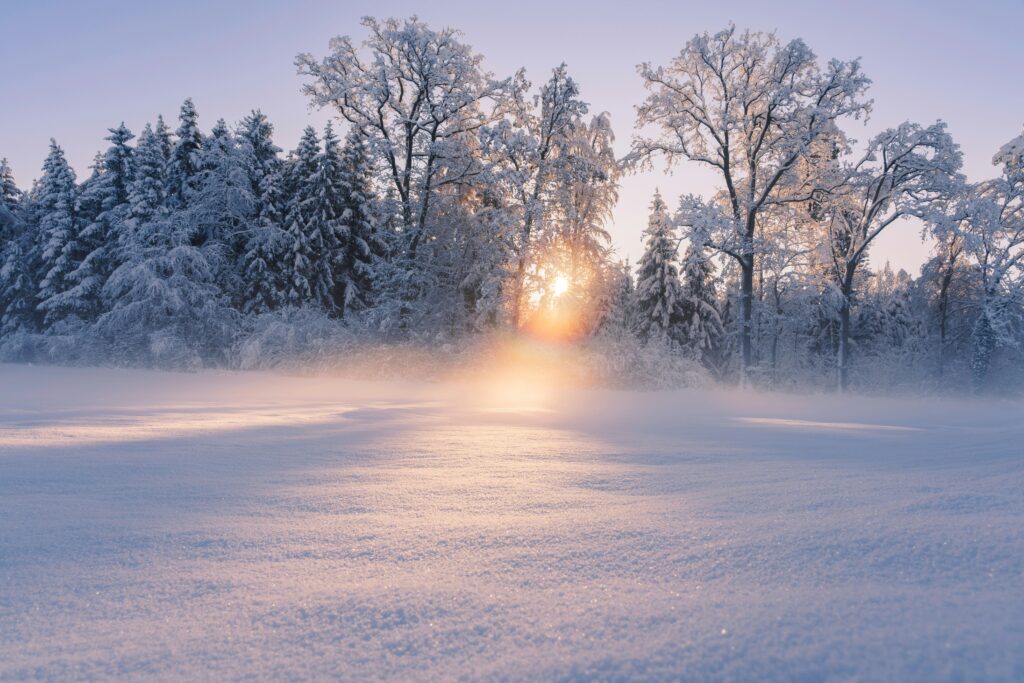
Even long before Christmas existed, humans have celebrated winter festivals around the world with light, feasts, rituals, and community. Winter is universal — darkness, cold, endings, introspection — and every culture found its own way to bring warmth and meaning to this time of year.
This post is Part 4 in this holiday series — and it’s one of the most beautiful, because it shows something bigger than any single holiday:
Across cultures, humans have always found ways to bring light into darkness.
Different rituals. Different stories.
Same need for connection and hope.
Let’s travel the world and explore the many festivals woven into the winter season — each one with its own history, flavor, and soul. This guide highlights winter festivals around the world that reflect humanity’s universal relationship with darkness and light.
🌲 🇳🇴 Yule (Norse & Germanic — Scandinavia + Northern Europe)
We can’t talk about winter celebrations without talking about Yule — one of the most influential solstice traditions in the Western world.
Yule was an ancient celebration honoring:
- the return of the sun
- the resilience of nature
- ancestral spirits
- cycles of death and rebirth
Traditions included:
- lighting big Yule fires
- feasting
- honoring ancestors
- decorating with evergreens
- drinking mulled ale
- telling stories of gods and spirits
Many of our modern Christmas traditions come from Yule, making it one of the most enduring winter festivals in history.
❄️ 🇨🇳 Dongzhi Festival (China)
Dongzhi, meaning “arrival of winter,” is one of the most important festivals in East Asia.
Rooted in ancient Chinese philosophy, the festival celebrates:
- the winter solstice
- the balance of yin and yang
- the turning point when days begin to lengthen
Traditions include:
- eating tangyuan (sweet glutinous rice balls)
- honoring ancestors
- gathering with family
Dongzhi is less about spectacle and more about harmony, connection, and cosmic balance.
🌙 🇮🇷 Shab-e Yalda (Iran)
Shab-e Yalda is one of the oldest winter celebrations on Earth — going back thousands of years to Zoroastrian tradition.
It honors:
- the longest night of the year
- the triumph of light over darkness
- the rebirth of the sun
Families stay up late eating pomegranates, nuts, and watermelon, reading poetry (especially Hafez), and sharing stories.
It’s intimate, poetic, and deeply symbolic.
☀️ 🇵🇪 Inti Raymi (Andean Region — Peru, Bolivia, Ecuador)
(Traditionally celebrated in June in the Southern Hemisphere, but conceptually tied to the same solstice theme.)
This ancient Incan festival honors Inti, the sun god.
While it takes place during the June solstice (their winter), it is spiritually connected to the same global human need: celebrating the sun’s return during the darkest time of year.
Traditions include:
- music
- dancing
- offerings to the earth and sun
- elaborate ceremonies
It’s a reminder that solstice spirituality spans hemispheres and continents.
🔥 🇺🇸 Soyal (Hopi Nation, Southwest United States)
Soyal, celebrated by the Hopi people of the American Southwest, marks the winter solstice and the renewal of the world.
The purpose is to:
- welcome back the sun
- restore balance
- bring harmony to the community
- honor ancestral spirits
It includes ceremonies, storytelling, prayer sticks, and rituals that reinforce connection between people, the natural world, and the spirit realm.
🖤❤️💚 Kwanzaa (United States — African Diaspora)
Kwanzaa is a modern but deeply meaningful cultural festival created in 1966 by Maulana Karenga.
It honors African heritage and the values of community, culture, and unity.
Each of the seven nights celebrates a principle:
- Unity
- Self-determination
- Collective work
- Cooperative economics
- Purpose
- Creativity
- Faith
Kwanzaa is a celebration of culture, empowerment, and resilience — a reclaiming of heritage in the diaspora.
🕎 🇮🇱 worldwide Hanukkah (Jewish Festival of Lights)
Hanukkah celebrates the rededication of the Second Temple and the miracle of the oil that burned for eight days.
Traditions include:
- lighting the menorah
- eating foods fried in oil (latkes, sufganiyot)
- playing dreidel
- giving gifts
Even though it’s not a solstice festival, it’s a winter celebration of light, survival, and identity — themes shared across cultures.
🪔 🇮🇳 Diwali (India & beyond)
(Not always in winter, but deeply connected to the symbolism of light overcoming darkness.)
Diwali is the Festival of Lights — a celebration of:
- new beginnings
- victory of light over darkness
- spiritual renewal
- community
People light oil lamps, burst fireworks, decorate with rangoli, and exchange gifts.
It’s included here because it shares the universal winter-season theme:
Light wins. Hope returns. Darkness doesn’t last forever.
🎭 🇧🇸 Junkanoo (Bahamas)
A vibrant, high-energy street festival held on December 26 and January 1.
Expect:
- elaborate costumes
- drumlines
- dance
- colorful masks
- joyous celebration
Junkanoo blends African traditions, Caribbean culture, and centuries of community resilience and creativity.
🍜 🇯🇵 Ōmisoka (Japan)
Ōmisoka (New Year’s Eve) is one of the most important holidays in Japan.
It’s not religious — it’s cultural, seasonal, and spiritual.
Traditions include:
- major home cleanings
- eating toshikoshi soba (year-crossing noodles)
- visiting shrines at midnight
- starting the year fresh and purified
Ōmisoka isn’t about light specifically, but it is about renewal — the same theme found in many winter celebrations across the world.
🔥 🥃 Hogmanay (Scotland)
Scotland celebrates New Year’s Eve with energy unmatched anywhere else.
Traditions include:
- torchlight processions
- fireballs
- bonfires
- “first-footing” (being the first guest in someone’s home in the new year)
Hogmanay is rooted in ancient Norse and Celtic solstice rituals — a fiery way to welcome the sun back.
😈 🇦🇹 Krampusnacht (Austria & Alpine Region)
Krampusnacht is one of the most visually striking winter traditions in Europe.
On December 5th, people dress as Krampus — a horned, folkloric creature — and parade through towns with bells, rattles, and costumes designed to chase away evil.
It’s spooky, theatrical, and an incredible example of how old pagan winter beliefs still live today.
✨ The Universal Truth Beneath All These Winter Festivals Around the World
When you zoom out, you see a pattern:
Across continents, cultures, religions, and centuries… people have always gathered in winter to create light, connection, and meaning.
Winter festivals across the world aren’t all the same, but they share a heartbeat:
- honoring ancestors
- marking the return of the sun
- reconnecting with community
- celebrating survival
- making beauty in the dark
It’s one of the most deeply human things we do.
What Else is in This Series
This post is Part 4 of a 4-part deep dive.
1. Part 1 → The Pagan Origins of Christmas
A historical look at the true origins of the Christmas holiday.
2. Part 2 → Pagan Traditions Christians Rebranded as “Christmas”
Get ready — the list will surprise you.
3. Part 3 → Christmas Traditions Around the World
A global tour of how different cultures celebrate Christmas.
4. Part 4 → Winter Festivals Around the World
Solstice + light festivals from every corner of the globe.
exploring:

Leave a comment